Find Your Patient Support Community
Discover support groups and communities where people share experiences, answer questions, and help each other navigate life with your condition.

Why PatientGroups.ai?
Verified Communities
We vet every organization to ensure you find safe, legitimate support networks and advocacy groups.
Global Reach
Access support groups from around the world, or find local communities near you that speak your language.
Patient-Centric
Built with patients in mind, prioritizing your privacy, ease of use, and meaningful connections.
How It Works
Finding the right support group is simple. We've made it easy for you.
Search Your Condition
Enter your health condition or diagnosis. Our smart search instantly finds relevant support organizations.
Explore Communities
Review detailed profiles of advocacy groups, including their mission, resources, and contact info.
Connect & Get Support
Reach out directly to join communities, access resources, or get involved with groups that feel right for you.
Featured Communities
Browse our curated list of patient advocacy groups and support networks making a difference today.
 United Kingdom
Cavernoma Society
A UK charity supporting those affected by brain or spinal cavernoma through information, retreats, and free counselling.
View group profile → Denmark
Pancreasnetvaerket
Pancreasnetværket is an organization dedicated to supporting patients with pancreatic cancer and their relatives. It…
View group profile → Australia
Team Lopez Foundation
The Team Lopez Foundation was incorporated in memory of Alex Lopez who was tragically lost to pancreatic Cancer. Our…
View group profile → 12 Cowslip Grove, Clanfield, Waterlooville, Hampshire, UK
Muscle Help
We use cookies to ensure that we give you the best experience on our website. ACCEPT MORE INFO Home #PowerOf657 About…
View group profile → Melanoma Focus
Salisbury House
Station Road
Cambridge
CB1 2LA
Melanoma Focus
Salisbury House
Station Road
Cambridge
CB1 2LAMelanoma Focus
As experts in melanoma, we provide information, guidance & support for patients, carers & professionals. We have built…
View group profile → London, United Kingdom
Epilepsy Sparks
Epilepsy Sparks is a platform providing information, research, and resources related to epilepsy, neurology,…
View group profile →The Power of Community
Navigating a health condition is easier when you have the right support. Here's what you can find.
Shared Experiences
Connect with people who truly understand what you're going through. Share your story in a safe, supportive environment.
Practical Information
Get real-world advice about managing your condition, navigating healthcare, and finding resources that actually help.
Emotional Support
Find comfort in a community that cares. Whether you need to vent, celebrate, or just feel heard, we're here.
Advocacy & Awareness
Many groups work to raise awareness, fund research, and improve care. Your voice can make a difference.
PatientGroups.co Podcast
Conversations with leaders, founders, and advocates driving change in the patient advocacy ecosystem.
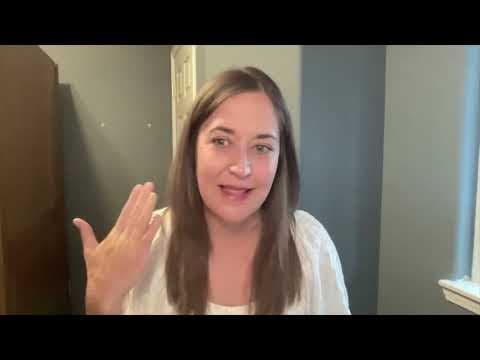
Navigating Childhood Leukemia: A Mother’s Story of Relapse, Clinical Trials, and Hope
Betsy shares her family’s experience of childhood leukemia, a symptomless relapse, clinical trials, and finding practical hope in the darkest moments.
Patient Group Spotlight: The Swallows with Chris Curtis
Featuring The Swallows
Chris Curtis shares his head and neck cancer journey, the mission behind The Swallows, and why patient-led support and access must improve.
Patient Group Spotlight: Burning Nights CRPS Support with Victoria Abbott-Fleming
Featuring Burning Nights CRPS Support
Victoria Abbott-Fleming shares her CRPS journey, the mission behind Burning Nights, and why patient voices must shape treatment and policy.
Start Your Journey
Take the first step toward connection and support. Search for patient groups that match your needs today.
Start Your SearchRepresent a patient advocacy group?
Access your free portal to review your profile, see anonymous peer benchmarks, and signal partnership interests.
Working in pharma, biotech, or clinical trials?
Explore the full global database, therapeutic landscape mapping, and partnership readiness insights on PatientGroups.co.